
Helium balloons are supposed to float, so it can feel frustrating when they start sinking or do not float at all.
Many people think the helium tank is broken, but that is usually not the real problem.
In most cases, the issue comes from:
Some balloons may look full but still do not have enough lift to float properly. Others may float for only a short time before slowly sinking.
The type of balloon also matters. Cheap balloons often lose helium faster, while larger balloons need more helium to stay floating.
Temperature can also affect balloons more than people expect. Cold weather may cause balloons to shrink slightly, while heat can weaken balloons and make them lose helium faster.
In this guide, we’ll explain the most common reasons helium balloons stop floating and simple ways to fix the problem.
One of the most common reasons balloons do not float is simple:
👉 there is not enough helium inside the balloon.
Sometimes a balloon looks full, but it may still contain too much air and not enough helium to create proper lift.
This often happens when:
A properly filled helium balloon should:
If the balloon only floats weakly or tilts sideways, it may need more helium.
Sometimes people accidentally fill part of the balloon with normal air before adding helium.
When this happens:
To avoid this:

Very small balloons may not float well with helium.
This is because:
Most helium setups work best with:
👉 9-inch to 11-inch balloons
Smaller balloons are often better for air-filled decorations instead.
Sometimes the balloon itself is fine, but extra decorations make it too heavy to float properly.
This is very common in party setups.
Heavy accessories can reduce floating ability.
Examples include:
Large foil balloons are usually better at carrying extra weight because they hold more helium.
Bigger balloons may look impressive, but they also need much more helium.
For example:
If they are not filled fully, they may:
Larger balloons usually require:
👉 more helium
👉 larger tanks
👉 proper filling pressure
Sometimes the problem is not the helium.
The balloon itself may not be designed for helium use.
Some balloons are made only for air inflation and will not float properly even if helium is added.
Some balloons sold online or in party shops are designed only for air filling.
These balloons are usually:
Because of this, helium may not create enough lift.
Always check the packaging before use. Balloons that work with helium are usually labelled:
Low-quality balloons may start leaking helium very quickly.
This can cause balloons to:
Cheaper balloons often use thinner material, which allows helium to escape more easily.
Better-quality balloons usually:

Foil balloons normally hold helium much longer than latex balloons.
This is because foil material is less porous, so helium escapes more slowly.
Foil balloons are popular for:
They are especially useful when decorations need to stay floating for more than one day.
Underfilled balloons may:
Sometimes balloons appear full but still do not contain enough helium to create proper lift.
Adding a little more helium often fixes the problem.
Overfilled balloons are stretched too tightly.
This makes them:
A properly filled balloon should still feel slightly soft instead of extremely tight.
Many people notice balloons look smaller outdoors during cold weather.
Usually, the helium tank is not the problem.
Cold temperatures make helium contract slightly, which can reduce lift temporarily.
This may cause balloons to:
When balloons are brought back indoors, they often expand again naturally.
Outdoor balloons face:
All of these can reduce floating time faster than indoor conditions.
Latex balloons are especially sensitive to weather changes.
For outdoor events:

Sometimes balloons float at first, but start sinking much sooner than expected.
This usually means helium is escaping too quickly.
If the balloon knot is not tied tightly enough, helium may slowly leak out.
Even a very small gap can reduce float time.
To avoid this:
Older balloons can become weaker over time.
If balloons have been stored for too long, the material may:
This is especially common with cheap latex balloons stored in hot areas.
Fresh balloons usually perform much better.
Some balloons are simply too thin to hold helium for long.
Better-quality balloons usually:
This can make a big difference during parties and events.
Sometimes balloons float sideways instead of standing upright.
This is usually caused by uneven weight or uneven helium distribution.

If one side of the balloon is stretched more than the other, the balloon may tilt.
This can happen when:
Heavy ribbons, tassels, or attachments may pull the balloon sideways.
Large foil balloons usually handle extra decorations better than small latex balloons.
There are several simple ways to improve balloon performance.
Higher-quality balloons usually:
This is especially useful for weddings, birthdays, and large decorations.
Most helium setups work best with:
👉 9-inch to 11-inch balloons
Very small balloons may not float properly, while oversized balloons require much more helium.
Many floating problems happen simply because there is not enough helium inside the balloon.
A properly filled balloon should:
Heat weakens balloons and increases pressure inside them.
For better float time:
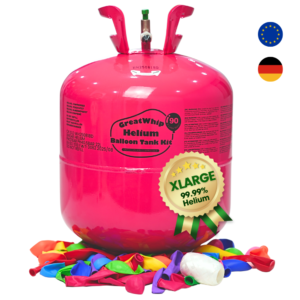
Using the correct helium tank also helps balloons float properly.
Here’s a simple guide:
| Tank Size | Approx Balloon Fill |
|---|---|
| 7L | 20–30 balloons |
| 13L | 30–50 balloons |
| 22L | 50–80 balloons |
For most home parties:
👉 a 13L tank is usually the best option.
Larger decorations and balloon arches may require a 22L tank.
Helium balloons may stop floating for many different reasons, but most problems are easy to fix.
In many cases, the issue is related to:
To get better results:
With proper setup, helium balloons can stay floating longer and make your party decorations look much better.
The most common reasons are not enough helium, poor-quality balloons, or balloons that are too heavy.
Latex balloons naturally lose helium over time, especially outdoors or in warm weather.
Cold temperatures can reduce lift temporarily by making helium contract slightly.
This is usually caused by uneven weight, uneven filling, or heavy decorations attached to the balloon.
Yes. Foil balloons usually hold helium longer and float for more time than latex balloons.